





Choosing floor tiles
An uninformed person researching the tile industry might find themselves confused due to the various design options, and the multiple types and styles of tile.
Firstly tiles are available in different materials, such as marble, porcelain, and ceramic.
Marble is primarily sourced from natural stone, a luxurious finish yet expensive product that in many cases needs to be to be maintained with polish every once in a while. Secondly, there are ceramic tiles, a relatively affordable choice but one that is not as hard wearing and absorbent, which can reduce the longevity of use. Finally porcelain tiles are more durable than ceramic with a reduction in levels of water absorption.
Porcelain tiles, come in a variety of finishes such as sand, stone, concrete, marble, cement, and many more. The most popular finishes create a modern feel such as cement, concrete, and sand tones. In addition, different finishes are available. Matte lappato finishes are currently quite popular as they are quite durable, in that this finish has an increased resistance to scratches. Polished porcelain tiles are also possible however if trying to replicate, for instance the reflectivity of natural finished marble they are likely to give a somewhat blurry reflection in comparison. In general thicker tiles might be considered more robust and longer lasting, here we are talking about somewhere around 11 millimetres.
[edit] Related articles on Designing Buildings
Featured articles
Check out some of the best features and news from Designing Buildings as well as key stories from around the web.

The Master Builder: William Butterfield and his times. Book review.

Why construction can't afford to ignore the skills gap.
Building Safety Regulator, 19 August

Gill Kernick appointed Independent Chair of Residents’ Panel.
Connecting knowledge, technology and conservation
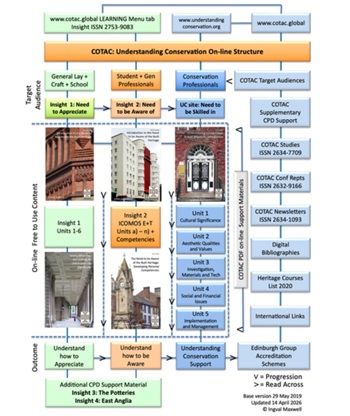
Building competence for the future of built heritage.
Building Regulations and Building Safety Act

CIOB publishes free advice for non-domestic clients.

Building Safety Newsletter from MHCLG.

An extraordinary record of steel engineering worldwide.

Households living near new pylons to save on bills.

ECA warns growth must not outpace grid capacity or skills.
The role of the client and decision making

CIOB response to built environment professions call for evidence.
Construction's sustainability reporting revolution
Tracking upfront embodied carbon with digital tools.
ECA welcomes procurement reforms

Public spending must back British jobs and skills.